Top 10 Reasons to Keep Up with Dental Cleanings: Practical Benefits and Preventive Care
Professional dental cleanings are one of the simplest, most effective ways to protect your oral health. Below we list the top ten reasons to make routine cleanings a priority — from preventing cavities and gum disease to catching small problems before they become big, costly ones. Many people skip cleanings and end up needing more invasive care later. Understanding what cleanings do, how often to schedule them, and what to expect at your appointment helps you keep your smile healthy and your visits stress-free. We’ll cover how cleanings improve oral health, why prevention matters, recommended timing, costs, what happens during an appointment, and how education multiplies the benefits.
How Does Professional Dental Cleaning Improve Oral Health?
A professional cleaning removes plaque and hardened tartar that at-home care can’t always reach — the main drivers of gum disease and cavities. Beyond a brighter smile, cleanings let your dental team spot early signs of decay, gum problems, or other issues. When plaque is managed on a regular basis, you reduce the chance of infections and avoid more complex treatments later. In short: cleanings protect function, comfort, and long-term oral health.
What Is Involved in a Professional Teeth Cleaning Procedure?
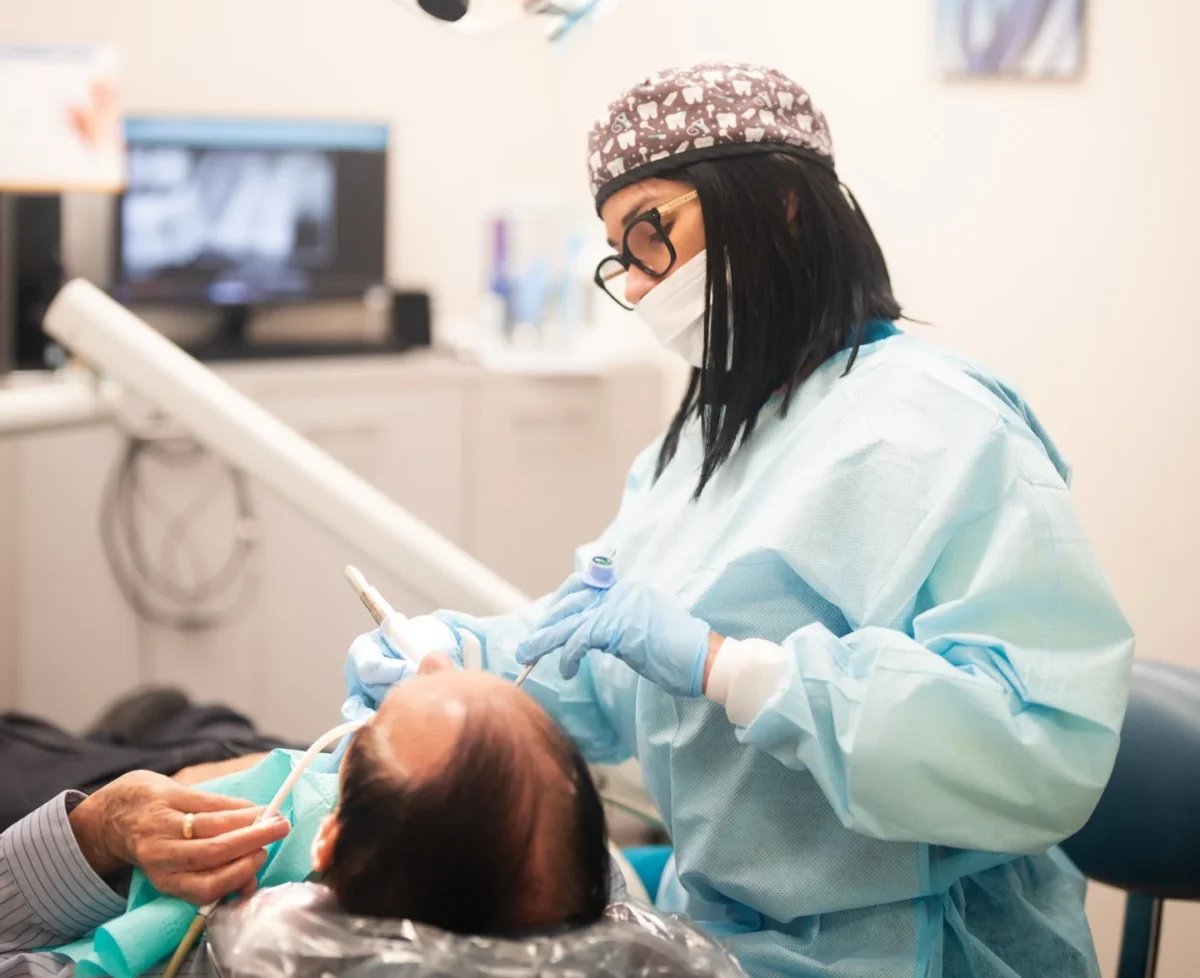
Most cleanings follow a straightforward sequence. First, a hygienist uses specialized tools to scale away plaque and tartar. Next, the teeth are polished to remove surface stains and smooth enamel. Often a fluoride treatment follows to strengthen enamel and help prevent decay. Each step is gentle but thorough — designed to keep your mouth healthy between more involved treatments.
How Does Plaque Removal Prevent Gum Disease and Tooth Decay?
Plaque is a sticky film of bacteria that builds up on teeth and along the gumline. If left to harden into tartar, it becomes tougher to remove and can inflame your gums (gingivitis). Regular professional cleanings remove that buildup, lowering your risk for cavities and gum disease. Sticking to a cleaning schedule is one of the most reliable ways to protect your teeth and gums from longer-term damage.
Research underscores why timely removal of plaque and tartar matters: untreated buildup can lead to progressive gum disease if not addressed.
The Dangers of Untreated Tartar and Gum Disease
If tartar is not removed and gingivitis is left untreated, it can progress into a more serious form of gum disease.
An Overview of Tartar: Plaque and tarter can threaten your oral health. Learn more about them, including tips for keeping them away from your teeth., 2024
Why Is Preventive Dental Care Crucial for Long-Term Health?
Preventive dental care keeps small problems from becoming large ones. Routine check-ups and cleanings help maintain oral health and can reveal issues early — when they’re easier and less expensive to treat. Good oral health also supports overall wellness and self-confidence, which makes preventive care an investment in both health and quality of life.
How Do Regular Cleanings Reduce the Risk of Gum Disease?
Regular professional care removes the plaque and tartar that cause inflammation and infection of the gums. Studies consistently show people who keep regular cleanings are less likely to develop gum disease than those who don’t. Making cleanings part of your routine is a practical, proactive step to keep your gums healthy.
What Is the Connection Between Oral Health and Systemic Health?
Oral health and whole-body health are linked. Research has found associations between poor oral health and conditions such as heart disease, diabetes, and respiratory infections. While dental treatments like implants or crowns improve bite and appearance, maintaining a healthy mouth is also part of protecting your general health.
A recent analysis provides empirical evidence linking specific oral conditions to systemic diseases such as diabetes and high blood pressure.
Oral Health’s Link to Systemic Diseases: Diabetes & Hypertension
This study investigates the association between oral health issues, specifically periodontitis and dental caries, and systemic health conditions such as diabetes and hypertension. The goal is to determine the strength of these associations using statistical analysis. We conducted a cross-sectional study utilizing the National Health and Nutrition Examination Survey (NHANES) data from 2017-2020, focusing on 13,772 adults with complete data on oral and systemic health variables. Oral health indicators were periodontitis and dental caries, while systemic health variables included diabetes and hypertension. The statistical analysis involved Cramer’s V to assess the strength of associations between these health conditions. The study found statistically significant associations between oral and systemic health conditions. There was a moderate association between periodontitis and diabetes (Cramer’s V = 0.14) and a moderate association between dental caries and hypertension (Cramer’s V = 0.12). The results underscore the interconnected nature of oral and systemic health, suggesting that poor oral health can be an indicator of broader health issues. These associations could guide integrated health care strategies, emphasizing the need for dental health evaluations in patients with diabetes and hypertension.
Investigating the link between oral health conditions and systemic diseases: A cross-sectional analysis, S Madanian, 2025
How Often Should You Schedule Dental Cleanings for Optimal Benefits?
How often you need a cleaning depends on your personal risk factors, but for most people, twice a year is a good baseline. Regular visits let your dentist remove plaque and tartar before they cause problems and keep tabs on any developing issues. If you have a history of gum disease, frequent cavities, or other risk factors, your provider may recommend more frequent visits.
What Is the Recommended Frequency for Dental Checkups and Cleanings?
The American Dental Association advises most people to visit their dentist at least twice a year for routine exams and cleanings. That said, your dentist will tailor recommendations to your oral health, habits, and medical history — meaning some patients are seen more often for better prevention.
How Does Consistent Cleaning Impact Oral Bacteria Control?
Regular cleanings help control the levels of harmful bacteria in the mouth by removing the environment where they thrive. That supports a healthier oral microbiome, lowers infection risk, and helps prevent disease. Skipping cleanings can let harmful bacteria multiply and raise your chances of gum disease and other problems.
What Are the Cost Considerations of Professional Dental Cleaning?
Professional cleanings are an affordable preventive measure when compared with the cost of treating advanced dental disease. While a cleaning is an upfront expense, it often prevents the need for more extensive—and expensive—procedures later on. Thinking of cleanings as an investment in long-term oral health usually pays off financially and medically.
How Does Professional Dental Cleaning Cost Compare to Treating Dental Diseases?
Routine cleanings typically cost far less than restorative treatments. For example, a standard cleaning can run roughly $75–$200, whereas fixing a cavity may cost $150–$450 or more depending on the treatment needed. Regular cleanings reduce the likelihood you’ll need those pricier interventions.
Are Preventive Dental Treatments a Cost-Effective Investment?
Evidence shows preventive care saves money over time. People who prioritize regular cleanings and early treatment generally spend less on dental care long-term. Addressing issues early keeps costs down and preserves oral health.
Multiple studies highlight the long-term cost savings of proactive dental programs and preventive care.
Cost-Effectiveness of Preventive Oral Health Programs
ABSTRACT: AbstractObjectiveTo estimate the cost-effectiveness of a medical office–based preventive oral health program in North Carolina called Into the Mouths of Babes (IMB).DesignObservational study using Medicaid claims data (2000-2006).SettingMedical staff delivered IMB services in medical offices, and dentists provided dental services in offices or hospitals.ParticipantsA total of 209 285 children enrolled in Medicaid at age 6 months.InterventionsInto the Mouths of Babes visits included screening, parental counseling, topical fluoride application, and referral to dentists, if needed. The cost-effectiveness analysis used the Medicaid program perspective and a propensity score–matched sample with regression analysis to compare children with 4 or more vs 0 IMB visits.Main Outcome MeasuresDental treatments and Medicaid payments for children up to age 6 years enabled assessment of the likelihood of whether IMB was cost-saving and, if not, the additional payments per hospital episode avoided.
Cost-effectiveness of preventive oral health care in medical offices for young Medicaid enrollees, SC Stearns, 2012
What Should You Expect During a Dental Cleaning Appointment?
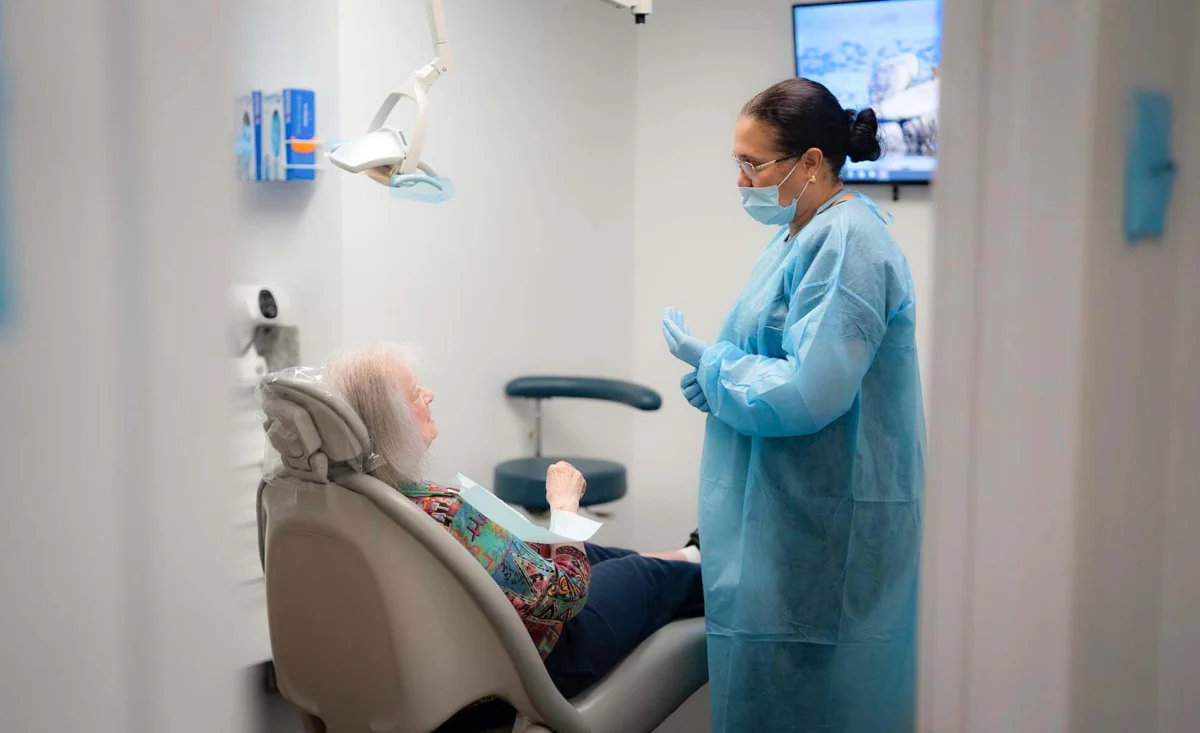
Knowing the steps ahead can ease nerves. A typical cleaning takes about 30–60 minutes and usually includes a brief exam, scaling and polishing, and sometimes a fluoride treatment. If anything unusual is found, your dental team will explain next steps and answer your questions so you leave informed and comfortable.
Is Dental Cleaning Painful or Discomforting?
Most people find cleanings comfortable. You may feel mild sensitivity during scaling, especially if plaque has built up or your gums are sensitive. Tell your hygienist if you feel discomfort — they’ll adjust technique or pause as needed to keep you at ease.
How to Prepare for Your Dental Cleaning Visit?
To prepare, arrive a few minutes early for any paperwork and let the team know about new medications or changes in your health. Bring a list of questions, and if you have dental anxiety, tell your provider so they can offer calming options.
How Can Patient Education Enhance the Benefits of Dental Cleanings?

When patients understand why cleanings matter and how to care for their mouths between visits, outcomes improve. Education — clear tips, demonstrations, and personalized advice — helps people stick to healthy routines and avoid preventable problems.
What Oral Hygiene Practices Complement Professional Cleanings?
Simple daily habits make a big difference: brush twice a day with fluoride toothpaste, floss once a day, and use an antimicrobial mouthwash if recommended. These steps, combined with regular cleanings, keep plaque under control and protect your smile between visits.
How Does Understanding Dental Procedures Improve Patient Outcomes?
Knowing what procedures do and why they’re recommended builds confidence and helps you make informed choices. Restorative treatments like veneers, crowns, and implants restore function and appearance, support jaw health, and can prevent further problems. Clear, patient-focused explanations lead to better engagement and satisfaction.
| Cost Consideration | Description | Value |
|---|---|---|
| Routine Cleaning | Average cost for a professional cleaning | $75-$200 |
| Cavity Treatment | Average cost for treating a cavity | $150-$450 |
| Preventive Care | Long-term savings from regular cleanings | Significant |
The table above summarizes common cost comparisons so you can see how an investment in routine cleanings often prevents higher treatment costs later. Regular preventive care is a practical way to protect both your health and your wallet.
Routine dental cleanings are a simple, effective habit that helps prevent disease, preserve your smile, and support overall health. Prioritize preventive care and partner with your dental team to keep your teeth and gums in the best possible shape for years to come.
Frequently Asked Questions
What are the signs that I need a dental cleaning sooner than my scheduled appointment?
Schedule an earlier visit if you notice persistent bad breath, swollen or bleeding gums, new tooth sensitivity, or any sudden changes in your mouth. These can signal plaque buildup or developing gum disease and are best checked promptly to avoid more serious problems.
Can dental cleanings help with bad breath?
Yes. Cleanings remove plaque and tartar that can harbor odor-causing bacteria and a hygienist can point out habits that help. If bad breath continues after a professional cleaning, it could indicate an underlying condition that needs further evaluation.
Are there any risks associated with dental cleanings?
Cleanings are very safe for most people. Some may experience short-lived sensitivity or mild gum soreness afterwards. In rare cases, people with certain medical conditions (for example, some heart conditions) might need special precautions — always share your medical history with your dentist before treatment.
How can I maintain my oral health between dental cleanings?
Keep a consistent routine: brush twice daily with fluoride toothpaste, floss every day, and consider an antibacterial mouthwash if recommended. Limit sugary snacks and drinks, stay hydrated, and check in with your dental team for personalized tips between visits.
What should I do if I have dental anxiety about cleanings?
Tell your dentist or hygienist about your anxiety — they can explain the steps, offer breaks, use calming techniques, or discuss sedation options if needed. Open communication helps create a more comfortable experience and better outcomes.
Can children benefit from regular dental cleanings?
Absolutely. Regular cleanings help children build healthy habits early, prevent cavities, and address problems before they grow. The American Academy of Pediatric Dentistry recommends a first dental visit by a child’s first birthday and routine visits (often every six months) after that to promote lifelong oral health.