
A broken tooth can usually be repaired with bonding, a crown, or a veneer, and a missing tooth can be replaced with an implant, bridge, or partial denture. The right choice depends on how much healthy tooth remains and where it sits. SEDA Dental offers every option in-house, so the recommendation fits you, not a referral pattern.
Chips and small fractures with the nerve intact usually need bonding or a crown. A deep crack into the nerve may need a root canal first. A tooth broken below the gum line often cannot be saved, and that is when replacement planning starts.
For missing teeth, a dental implant is the closest thing to growing the tooth back, a bridge uses neighboring teeth for support, and dentures handle multiple missing teeth. We will tell you which one we would choose in your position.
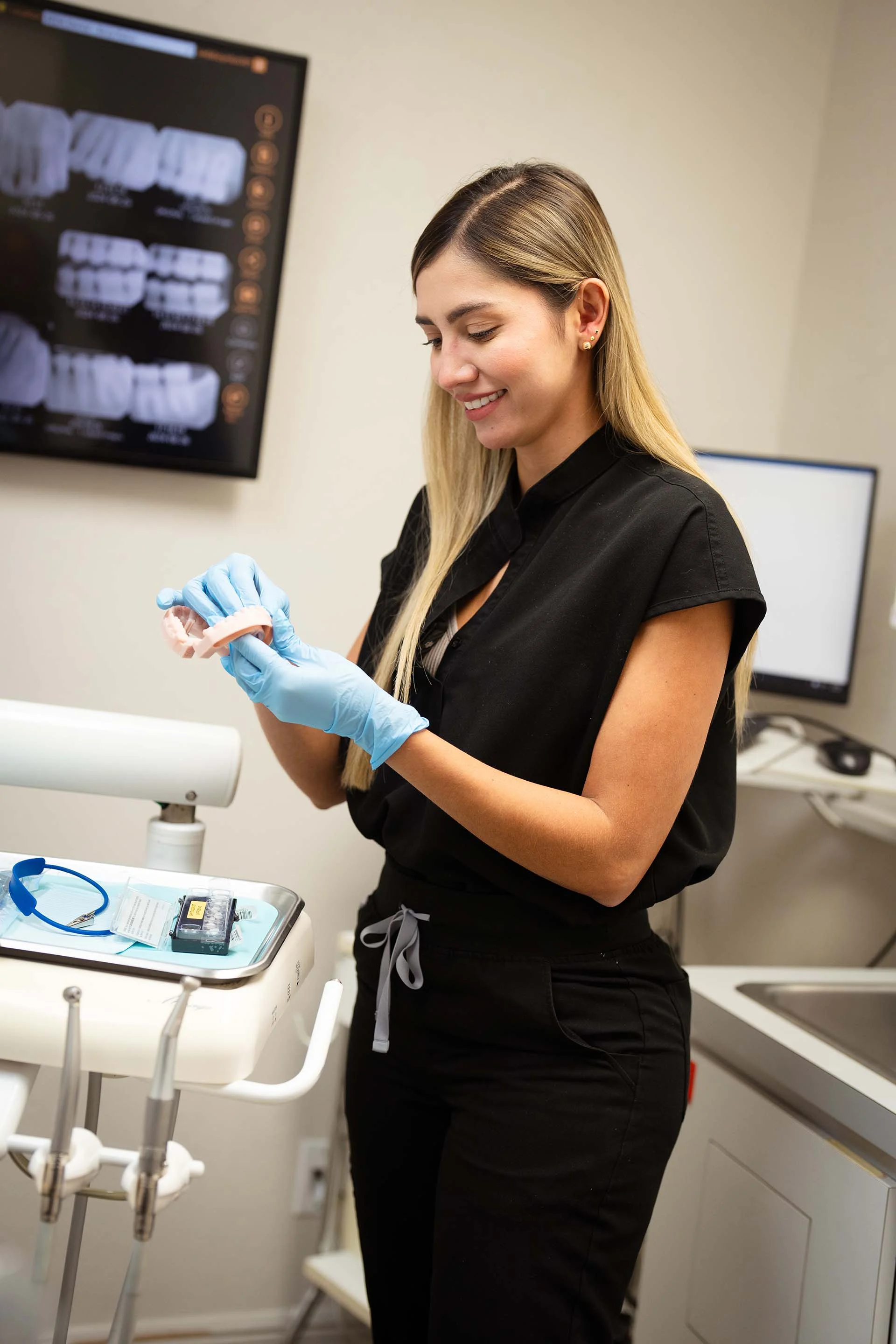
Restorative treatment is exactly what dental insurance is built for, and most PPO plans contribute meaningfully. We verify your benefits, sequence treatment to make the most of them, and offer CareCredit monthly payments plus the SEDA Smile Membership Plan for patients without coverage.
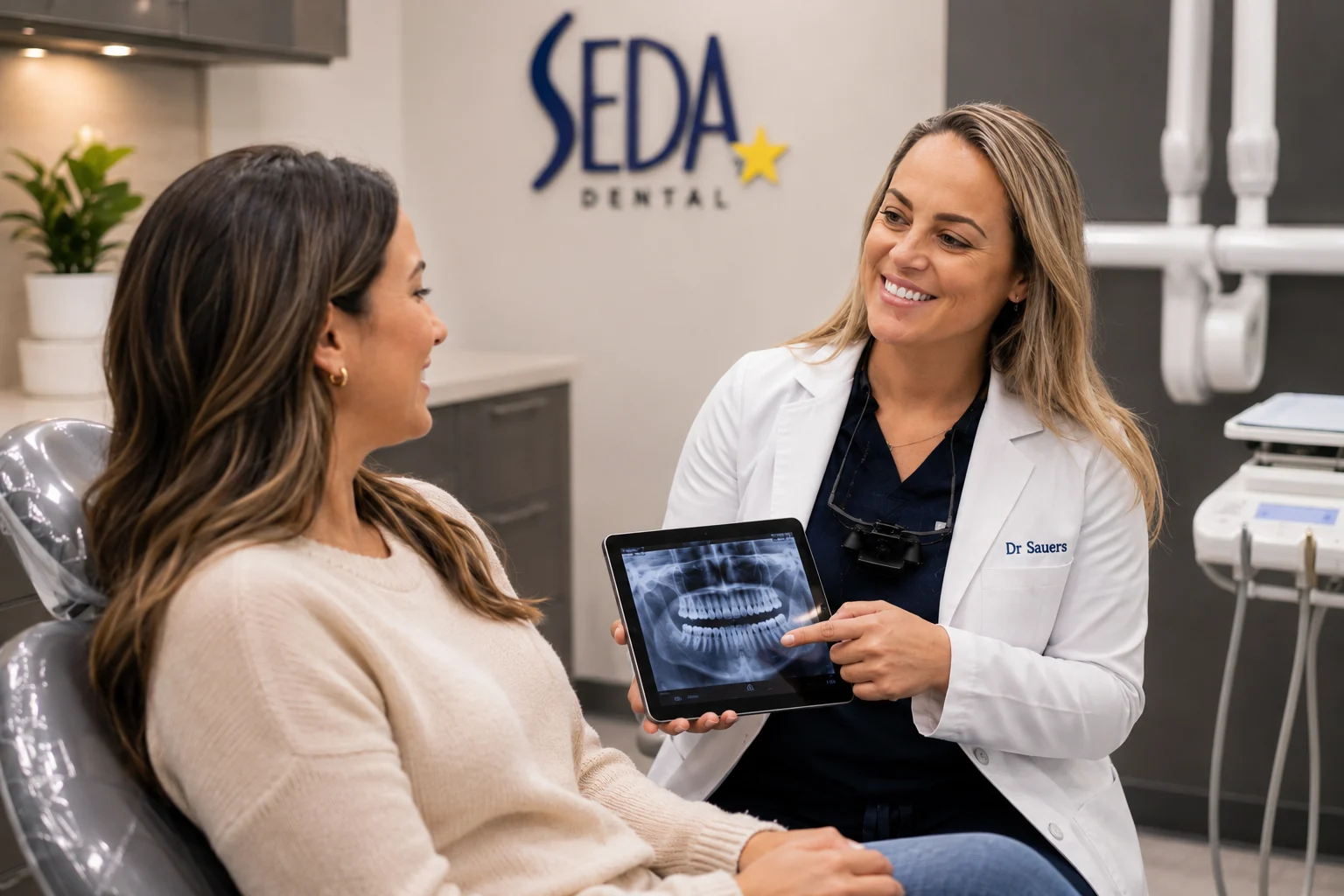
Repaired and replaced teeth want the same things: brushing, flossing, and regular cleanings. Give new crowns and implants a few days of gentler chewing while everything settles.
If you grind your teeth, a night guard is cheap insurance for the work you just had done. And whatever broke the tooth the first time, ice, popcorn kernels, opening packages, retire the habit.
 4.84.8Top Rated DentistVerified by TrustindexTop Rated Dentist
- 4.8 Excellent rating Last 12 months
- New reviews collected regularly Recent review activity detected
- Leading Dentist Google Maps rating and review data
- Responds to customer reviews 96% response rate within 48 hours
- Verified by Trustindex Based on real customer reviews Learn more
Posted on Google
 Martha LOctober 17, 2026
Trustindex verifies that the original source of the review is Google.
10/17/2026 This is an update. It has been two months since I’ve had my complete upper and lower implants done by Dr. Lapin, and as of today I have had no issues. I’m smiling. They’re beautiful. He did a fantastic job. I will highly recommend him and his staff, patient and supportive, as many times as I had to have my temporary fixed, they did it graciously and with a smile, so I thank them for that. I’m 100% satisfied. Thank you for giving me my smile back again. Dr. Lapin is an expert in his field of dentistry. I was very fortunate to find his service and I am so very happy. Dr. Lapin at SEDA Dental in Boynton Beach has exceptional staff that shows how much they care about the quality care of their patients. Dr. Lapin staff are patience, and knowledgeable in their field. I would highly recommend doctor Lapin.Posted on Google Celeste NOctober 15, 2026Highly professional and clean practice. Very little wait time. The staff seem to like each other and the dentists and orthodontists. They decorate the reception area for holidays. High morale makes such a difference in a business.Posted on Google
 Toader BOctober 15, 2026Perfect service. Very supportive stuffPosted on Google
 PastelaoOctober 15, 2026Caring & professional staff.Posted on Google
 Carmen YOctober 15, 2026⭐⭐⭐⭐⭐ I had an amazing experience with Seda Dental! About a month ago, I walked in with a few general questions, and the customer service was exceptional from the very beginning. The staff was warm, welcoming, and attentive. They are incredibly organized and proactive with scheduling and follow-ups, making sure patients stay informed and appointments are handled efficiently. I was able to secure a consultation for today, and the information I received was detailed, thorough, and informative. Everything was explained clearly, and I never felt rushed or overlooked.To top it all off, the process was quick and seamless, and they were able to provide me with same day service!10/10 experience and if I could give more stars, I absolutely would! I highly recommend Seda Dental to anyone looking for a dental office that values professionalism, excellent customer service, and patient care.Thank you, Seda Dental, for making my experience such a positive one!Posted on Google
 Carla HOctober 15, 2026I can’t say enough wonderful things about Seda Dental in Jupiter! Everyone is always so incredibly sweet, welcoming, and genuinely caring. They have such a wonderful way of putting my nerves at ease and somehow manage to make going to the dentist an enjoyable experience! Such a lovely team, and I’m always grateful for the exceptional care. Highly recommend!Posted on Google
 Annette FOctober 15, 2026Both the dentist and assistant were very professional and kind Nice experiencePosted on Google
 Michael AOctober 14, 2026Professional on time in one of the best dentist office I've ever been toPosted on Google
 Monroe HOctober 14, 2026Sema is the best hygienistPosted on Google
 David FOctober 14, 2026As always, great experiencePosted on Google
 Rick AOctober 14, 2026Lisa did a great job cleaning my teethPosted on Google
 Rich EOctober 13, 2026The office is very friendly and work with you always for easy schedule . Communication is very good . The dentist is caring and explains the procedure well. The entire staff is very good. I look forward to going to this officePosted on Google
 Lance COctober 13, 2026I went into seda dental. What an amazing experience everybody was so friendly i had what they call a root planning done It was painless. Thank you very much. Dr. Rubenstein.Posted on Google
 Steve ZOctober 13, 2026Appointment was on time as usual and all that was taken care of today was explained. Front desk is always kind and answer any questions they need to.Posted on Google
 Xiomara COctober 13, 2026Very professional staff
Within a day or two, sooner if it hurts. Early treatment keeps a repairable tooth repairable. If you are in pain now, call us for a same-day emergency visit.
No. Enamel does not regrow. Cracks only hold steady or get worse, and chewing decides how fast.
Bone loss and tooth shifting start within months. You do not have to decide overnight, but a year of waiting usually makes the eventual fix bigger.
Those usually cannot be saved. The good news: an extraction with socket preservation sets up a clean implant replacement, often the strongest result available.
Usually, yes. An implant does not touch neighboring teeth and preserves the bone. A bridge wins when the neighbors already need crowns or when surgery is off the table.
Yes. Back teeth do the chewing, and their loss overloads the others, shifts your bite, and shrinks bone quietly. Out of sight is not out of trouble.