

Dental Bridges
Restore Your Smile with Dental Bridges at SEDA Dental in South Florida
Losing a tooth may seem like a small issue, but it can have a significant impact on the overall health of your mouth. Not only can it affect the alignment of your teeth, making speaking and chewing uncomfortable, but it can also cause problems with your jawbone.
At SEDA Dental, located in Jupiter, Boynton Beach, Delray Beach, Boca Raton, Pompano Beach, and Pinecrest, Florida, we understand the importance of restoring the function and appearance of your teeth.
Our team of skilled family dentists specializes in dental bridge installations, which are a reliable and long-lasting solution for missing, damaged, or decayed teeth. We use only the latest technology and techniques to ensure your dental health and overall well-being.
To take the first step towards a healthy, confident smile, book your appointment online or give us a call today. Our caring and dedicated team is excited to help you achieve optimal dental health.
Restore functionality
A dental bridge can efficiently help replace missing teeth, allowing patients to chew, speak, and smile more effectively and comfortably.
Prevent teeth shifting
Dental bridges prevent adjacent teeth from shifting into the empty space left by a missing tooth, helping to maintain proper alignment and bite.
Enhance appearance
By filling gaps left by missing teeth, dental bridges can significantly improve the overall aesthetic of your smile, boosting your self-confidence.
Distribute bite forces
Dental bridges help distribute biting forces evenly across your teeth, reducing risk to your remaining teeth and promoting better oral health.
FAQs
What is a dental bridge?
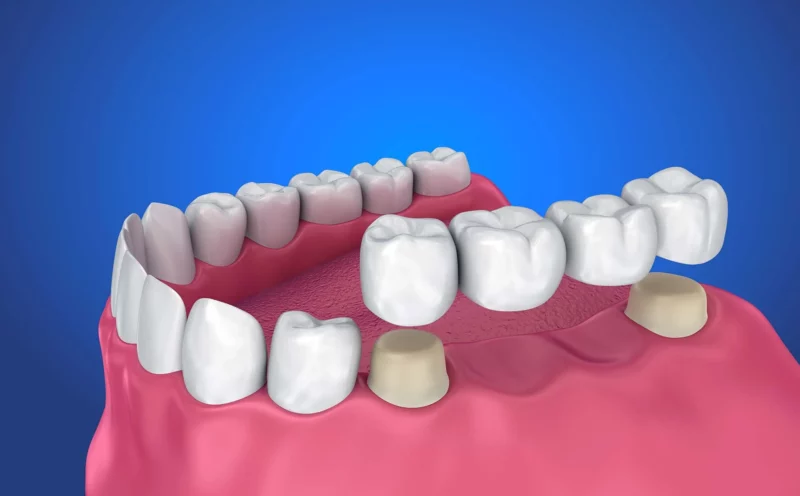
A dental bridge at SEDA Dental is a custom-made dental restoration used to replace one or more missing teeth. It consists of a false tooth (or teeth) called pontics, which are held in place by dental crowns attached to the adjacent healthy teeth or dental implants.
How long does it take to get a dental bridge?
The process of getting a dental bridge usually requires two to three appointments. The first visit involves tooth preparation, impressions, and placement of a temporary bridge. The second appointment is for fitting and cementing the permanent bridge. Additional appointments may be needed for adjustments if necessary.
How long does a dental bridge last?
With proper oral hygiene and regular dental checkups, dental bridges from SEDA Dental can last for 10 to 15 years or longer. The lifespan of a dental bridge depends on the materials used, your oral care habits, and overall dental health.
How do I care for my dental bridge?
To maintain your dental bridge from SEDA Dental, practice good oral hygiene by brushing twice a day, flossing daily (using a floss threader or water flosser for cleaning under the bridge), and attending regular dental checkups and cleanings. Avoid chewing on hard objects or using your teeth as tools, as this can damage the bridge.
Are dental bridges expensive?
The cost of a dental bridge at SEDA Dental depends on factors such as the materials used, the number of teeth being replaced, and your specific dental needs. During your consultation, our team will provide you with an estimate of the total cost and discuss available financing options to make your dental bridge more affordable.
Can dental bridges be removed?
Traditional dental bridges at SEDA Dental are fixed and non-removable. However, removable partial dentures can be used as an alternative for patients who prefer a removable option. Our experienced dental team will help you determine which option is best suited for your needs during your consultation.
Reclaim Your Confident Smile with Dental Bridges at SEDA Dental
Are you ready to restore your smile’s function and appearance? Schedule a consultation for a dental bridge at SEDA Dental today, and let our experienced team guide you on the path to a more comfortable and confident smile. Book your appointment online or give us a call now to explore the benefits of dental bridges.