Understanding Dental Implant Risks
Dental implants are a reliable way to replace missing teeth and restore a natural smile. Still, like any procedure, they carry potential risks that are important to understand before you move forward. This guide walks through the common complications, what causes them, how to spot warning signs, and practical steps to reduce your risk. We cover implant failure, peri‑implantitis, nerve and sinus issues, infection and bone loss, patient factors that raise risk, and when to get urgent care.
What Are the Most Common Risks and Complications of Dental Implants?
Although dental implants have a strong track record, complications can occur. The most common problems include implant failure, peri‑implantitis (inflammation around the implant), and infections at the surgical site. Success rates are high—typically about 90–95% over 10 years—but a small percentage of patients will experience issues. Knowing what to watch for and taking preventive steps makes a big difference in outcomes.
| Risk | Description | Impact Level |
|---|---|---|
| Dental Implant Failure | When the implant doesn’t properly fuse with the jawbone (failed osseointegration). | High |
| Peri-Implantitis | Inflammation and infection of the tissues around the implant, which can lead to bone loss. | Medium |
| Infection | Infection at the implant site that can delay or prevent healing. | High |
Catching these issues early—through self-monitoring and regular dental visits—greatly improves the chance of successful treatment.
Which Signs Indicate Dental Implant Failure?
Warning signs of implant failure include ongoing pain, persistent swelling, and any looseness or movement of the implant. If you notice these symptoms, contact your dentist promptly. Early evaluation can prevent more serious complications and increase the odds of saving the implant or restoring function with another approach.
What Are the Symptoms and Causes of Peri-Implantitis?
Peri‑implantitis shows up as redness, swelling, bleeding when probed, and sometimes pus near the implant. It’s most often caused by poor oral hygiene, tobacco use, or a history of periodontal (gum) disease. The best defenses are daily cleaning around the implant, routine dental checkups, and addressing risk factors like smoking.
How Can Nerve Damage Occur During Dental Implant Procedures?
Nerve injury is a possible complication, especially in the lower jaw where the inferior alveolar nerve runs. If the nerve is affected, you may feel numbness, tingling, or pain in the lower lip, chin, or tongue. Understanding the risk helps you have an informed conversation with your dental team about planning and safeguards.
Research outlines the causes, typical symptoms, and treatment options for injuries to the inferior alveolar nerve after implant placement.
Inferior Alveolar Nerve Injury: Causes, Symptoms, and Management
This article reviewed causes, mechanisms, clinical signs, diagnostic methods, and treatment guidelines for managing inferior alveolar nerve injury during implant placement.
Injury of the inferior alveolar nerve during implant placement: a literature review, G Juodzbalys, 2011
What Are the Warning Signs of Nerve Damage After Dental Implants?
Signs of nerve injury include lasting numbness, a pins‑and‑needles feeling, or sharp/discomfort in the areas the nerve serves. If you experience these symptoms after surgery, seek dental or medical attention right away so the situation can be assessed and treated as needed.
How Does SEDA Dental Prevent and Manage Nerve Damage Risks?
At SEDA Dental, we reduce nerve risk through careful preoperative planning and advanced imaging like cone‑beam CT (CBCT). Our clinicians map critical anatomy, plan implant position precisely, and use surgical techniques designed to protect nerves—so your procedure is as safe as possible.
What Are Sinus Complications Related to Upper Jaw Dental Implants?
When implants are placed in the upper jaw, there’s a chance they could encroach on the maxillary sinus. This can cause sinus irritation, infection, or a perforation of the sinus membrane (Schneiderian membrane). Recognizing and planning for sinus anatomy is an important part of upper‑jaw implant care.
How Are Sinus Problems Diagnosed and Treated Post-Implant?
Diagnosis usually involves imaging—X‑rays or CT scans—to see where the implant sits relative to the sinus. Treatment depends on the issue and may include antibiotics for infection, surgical repair of a perforation, or a sinus lift procedure when additional bone support is needed.
What Advanced Technologies Reduce Sinus Perforation Risks?
Tools like 3D CBCT imaging and guided implant surgery let clinicians place implants more accurately and avoid the sinus. These technologies lower complication rates and help us plan bone grafts or sinus lifts when necessary.
CBCT studies continue to clarify how common sinus pathologies are and which factors matter most in preoperative planning for implant patients.
Maxillary Sinus Pathologies & Dental Implants: Prevalence & Risk Factors
This retrospective study evaluated how often maxillary sinus pathologies occur and their links to odontogenic factors in implant candidates using CBCT. Identifying common sinus issues helps guide planning for sinus augmentation and implant placement.
Maxillary sinus pathologies in dental implant candidates: CBCT-based prevalence and odontogenic risk factors, S Küçükkurt, 2025
How Can Infection and Bone Loss Affect Dental Implant Success?
Infection and insufficient bone are two of the biggest threats to implant success. Infection can lead to peri‑implantitis, and low bone density or volume can prevent an implant from integrating properly with the jaw.
What Are the Causes and Symptoms of Dental Implant Infections?
Infections can stem from poor oral hygiene, preexisting conditions, or surgical complications. Look for pain, swelling, redness, or drainage at the implant site. Prompt treatment—often with antibiotics and focused dental care—helps stop spread and preserve surrounding tissue.
How Does Bone Grafting Help Prevent Implant Failure?
Bone grafting builds the jaw where bone is thin or missing so an implant has a stable foundation. Grafts use your own bone or biocompatible materials to encourage new bone formation, improving the chances of successful osseointegration and long‑term stability.
Which Patient Factors Increase the Risks of Dental Implant Complications?
Some personal health factors raise the likelihood of implant problems. Smoking, uncontrolled diabetes, and inadequate oral hygiene are among the most significant. Addressing these issues before and after surgery reduces complication risk.
How Do Smoking, Diabetes, and Oral Hygiene Impact Implant Outcomes?
Smoking impairs blood flow and healing, increasing infection and failure risk. Poorly controlled diabetes slows healing and can compromise outcomes. Good daily cleaning and regular dental care are essential to prevent peri‑implant disease and protect your investment.
Meta‑analyses support the notable impact of systemic factors—like smoking and radiotherapy—on implant failure rates.
Systemic Risk Factors for Dental Implant Failure: A Meta-Analysis
The pooled RRs showed a direct association between smoking (n = 33; RR = 1.92; 95% CI, 1.67–2.21) and radiotherapy (n = 16; RR = 2.28; 95% CI, 1.49–3.51)
Smoking, radiotherapy, diabetes and osteoporosis as risk factors for dental implant failure: a meta-analysis, H Chen, 2013
What Personalized Prevention Strategies Does SEDA Dental Offer?
SEDA Dental builds individualized prevention plans that address your specific risks. That can include smoking cessation support, coordination with your physician to optimize diabetes control, and tailored oral‑care routines to protect your implants long term.
When Should Patients Seek Immediate Help for Dental Implant Issues?
Knowing when to get urgent care can prevent minor problems from becoming major ones. Contact your dental provider right away if you see troubling signs after implant surgery.
What Are the Urgent Symptoms Requiring Prompt Dental Attention?
Seek immediate care for severe or worsening pain, pronounced swelling, heavy or persistent bleeding, any pus or foul drainage, sudden numbness, or if the implant feels loose. Quick evaluation helps limit damage and speeds recovery.
How Does SEDA Dental Support Patients Experiencing Complications?
If complications occur, SEDA Dental offers prompt follow‑up care, a range of treatment options, and clear guidance so you understand next steps. Our goal is to resolve problems quickly and protect your oral health.
Frequently Asked Questions
What is the success rate of dental implants?
Dental implants generally do very well: about 90–95% success over 10 years. Individual results depend on health, hygiene, and the clinician’s technique. While most people enjoy long‑lasting results, following post‑op care and attending regular checkups helps reduce the chance of complications.
How long does the dental implant procedure take?
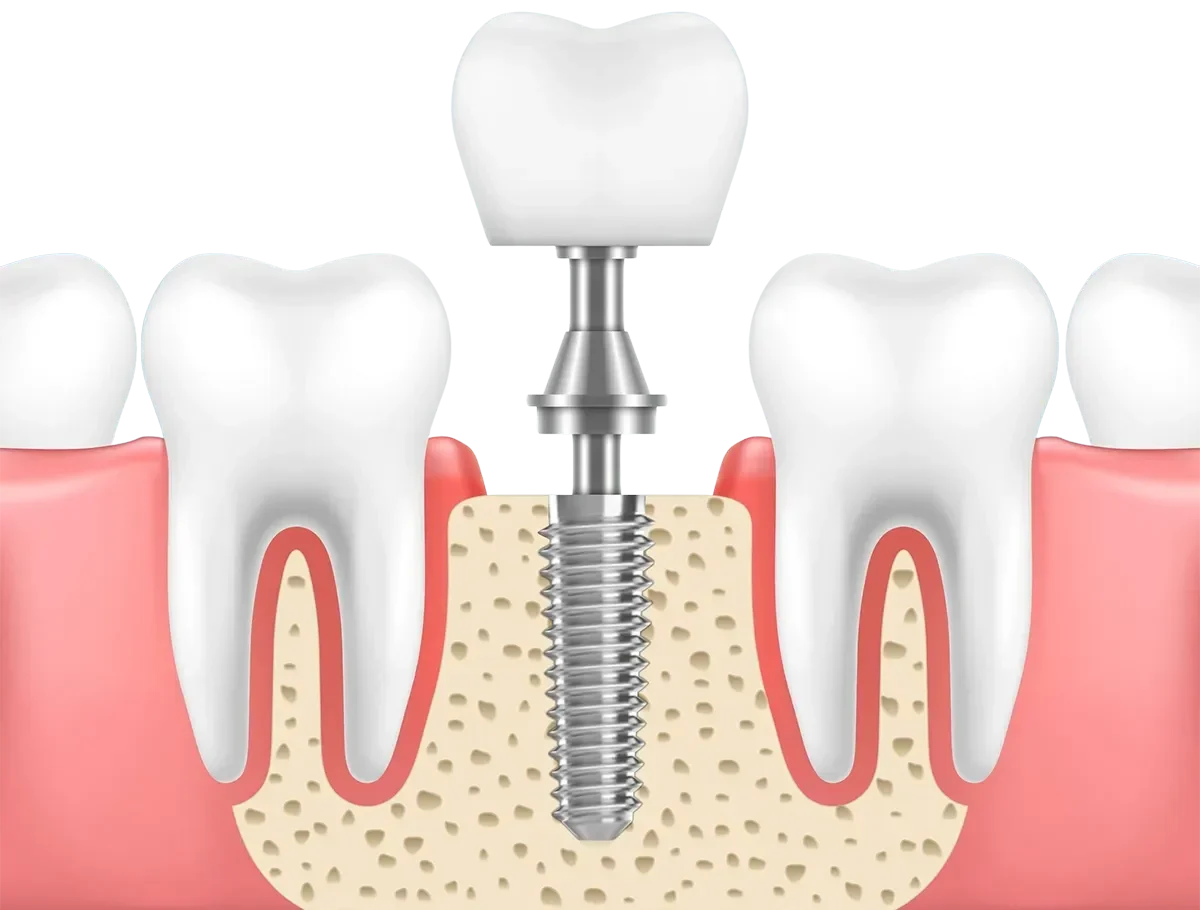
Implant treatment often happens in stages. The implant is placed first, then allowed to heal and integrate with bone for roughly 3–6 months. After that, an abutment and crown are fitted. Total time varies by case—factors like bone grafting or healing speed can extend the timeline.
Are there alternatives to dental implants?
Yes. Bridges and dentures are common alternatives. Bridges use nearby teeth for support, while partial or full dentures replace multiple teeth. Each option has tradeoffs in cost, durability, and maintenance—talk with your dentist to choose the best fit for your needs.
What are the costs associated with dental implants?
Costs vary by location, complexity, and whether extra procedures (like bone grafts) are needed. A single implant—implant, abutment, and crown—typically ranges from $3,000 to $4,500 on average. Insurance may cover part of the cost, so check your plan and ask our office about financing or payment options.
How can I maintain my dental implants?
Treat implants much like natural teeth: brush twice daily, clean between teeth and around implants, and keep routine dental visits for professional cleanings. Avoid tobacco and work with your medical providers to manage conditions like diabetes. These steps lower the risk of complications such as peri‑implantitis.
What should I do if I experience complications after getting implants?
If you have severe pain, swelling, discharge, or any concerning symptoms after implant surgery, contact your dental provider immediately. Early assessment—often including imaging—helps identify the cause and guide treatment, which may include antibiotics or additional procedures to address the problem.