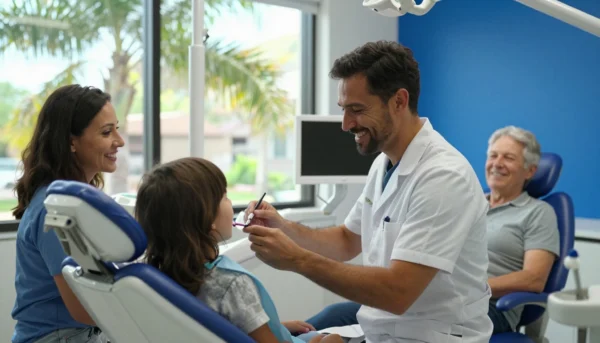
A dental cleaning sounds simple, but the dental cleaning cost doesn’t always feel straightforward. When patients ask me about the teeth cleaning price with insurance, I give the same honest answer every time: having dental insurance can lower the cost significantly, but the final number depends on the specific type of care you need.
That is the part that often catches people off guard. A routine cleaning is one thing, a first visit with X-rays is another, and deep gum treatment falls into a different category entirely. Keep in mind that prices can vary significantly if you are paying without insurance, as these out-of-pocket expenses differ from the rates negotiated by your dental insurance provider. If you want a clearer estimate before you book your appointment in Jupiter, this is where I start.
Key takeaways about cleaning costs with insurance
If you’re in a hurry, here’s the short version.
- Routine appointments are often the lowest dental cleaning cost when you utilize dental insurance, as many plans provide extensive coverage for preventive care.
- A first visit may come with a higher price tag because it typically includes an exam, dental x-rays, and a thorough assessment of your gum health.
- If your gums require specialized treatment for gum disease, the visit may no longer qualify as a standard cleaning and could impact your final bill.
- Deductibles, annual maximums, network status, and timing rules all affect your out-of-pocket total.
- Two people with the same dental insurance plan can still pay different amounts if one person requires extra imaging or periodontal care.
- Asking for a pre-treatment estimate is one of the easiest ways to avoid surprises.
Insurance can reduce the bill, but it doesn’t decide what type of cleaning your mouth needs.
What dental insurance usually pays for at a cleaning visit
When I explain dental insurance coverage, I keep it simple. Most plans split care into categories. Preventive care usually includes routine cleanings, an oral exam, and some dental x-rays. Diagnostic care often covers the oral exam and images that help the dentist check for problems. Periodontal care covers gum treatment, and that category often pays differently.
That is why “full coverage” can be misleading. A plan might pay well for preventive visits and still leave you with a balance for deeper treatment.
Why a routine cleaning is often the lowest-cost option
A routine cleaning, also known as a prophylaxis, is usually for patients with healthy gums or mild buildup. It focuses on removing plaque and tartar from the surface of your teeth, polishing them, and helping you stay ahead of bigger problems. As part of your preventive care, many offices also suggest a fluoride treatment to help strengthen your enamel and maintain long-term oral health.
Many plans cover two preventive cleanings each year, and some cover them at 100 percent. The exact benefit still depends on your policy, the office fee, and whether you are within the plan’s timing rules. If you are comparing visit types, routine teeth cleaning services are usually the most budget-friendly place to start.
How the first visit can cost more than the cleaning itself
This surprises people all the time. The cleaning may be covered well by your dental insurance, but the first appointment often includes more than just the prophylaxis.
A new patient visit may come with a full oral exam, dental x-rays, and a gum evaluation before anyone starts scaling your teeth. Think of it like getting a map before a road trip. The office needs to know what is healthy, what is not, and whether a routine cleaning is even the right visit that day.
That does not mean the office is padding the bill. It usually means the team is checking for cavities, bone loss, gum pockets, and anything else that could change your treatment plan.
What can change your out-of-pocket teeth cleaning cost
The biggest reason one patient pays less than another is not luck. It is usually a mix of insurance rules and oral health.
If it has been a while since your last visit, buildup may be heavier. If your gums bleed easily or pockets are deeper, the dentist may recommend treatment beyond a standard cleaning. That changes the billing code, and once the code changes, the insurance payment can change too. Whether you have dental coverage or are paying without insurance, your oral health status remains the primary driver of your final bill.
Insurance details that matter most
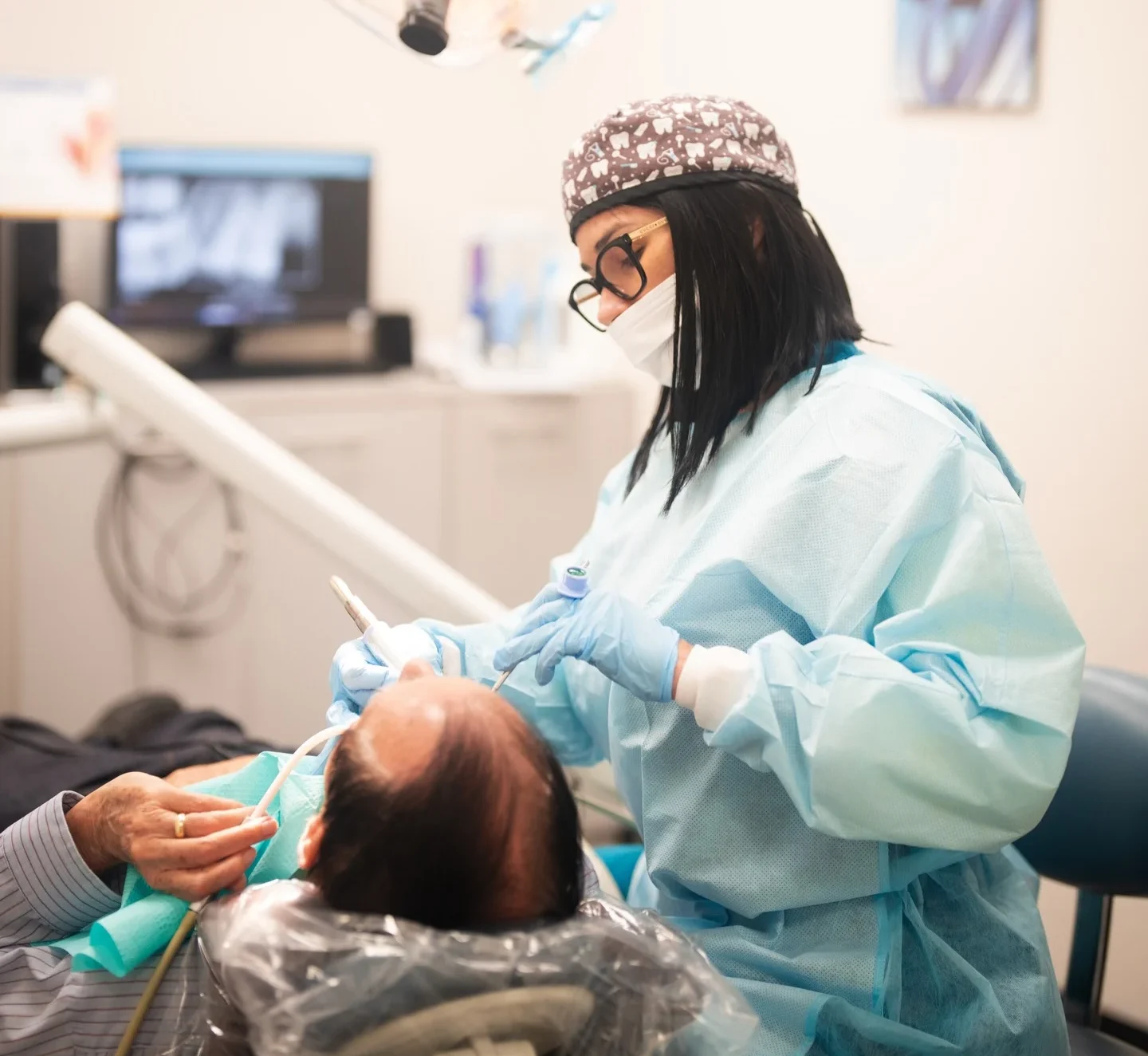
A few insurance details do most of the work when a bill feels higher than expected. The first is your deductible, which is the amount you pay before certain benefits kick in. The next is your annual maximum, which is the total the plan may pay in a year. Many plans cap benefits somewhere around $1,000 to $3,000.
Network status matters too. Visiting an in-network dentist means the office has agreed upon rates with your insurer, which can lead to lower out-of-pocket costs. Out-of-network care may still be covered, but your plan may pay significantly less.
Timing rules also matter. Some plans only cover cleanings every six months. Others have frequency limits on X-rays or periodontal maintenance, which can increase your expenses if you require more frequent care to manage gum disease.
When a simple cleaning turns into deeper gum care
Sometimes a visit is not a routine cleaning anymore. If there is infection under the gums, heavier tartar below the gumline, or bone loss, the dentist may recommend scaling and root planing. This treatment is necessary to stop the progression of gum disease, which can otherwise lead to higher out-of-pocket costs later.
That sounds intimidating, but it is not a sales pitch. It is essential gum treatment. By focusing on root planing and related therapy, the goal is to get the tissue healthy again, not to turn a simple visit into something dramatic.
Insurance often bills this care differently from preventive cleanings. Some plans cover part of the procedure, while others apply the deductible first. Many pay less for these specialized services than they would for a routine preventive cleaning.
How I can lower my dental bill without skipping care
The most cost-effective dental visit is almost always a routine one. Once your oral health declines or minor issues progress, the price of treatment climbs quickly.
I tell patients to think of prevention like routine car maintenance. If you skip enough of them, the eventual repair bill catches up to you. Investing in consistent preventive care is the best way to avoid the expense of treating cavities or more serious infections later on.
Questions I should ask before I book
A two-minute phone call can prevent a lot of confusion regarding your dental insurance coverage. Before I book, I recommend asking a few direct questions:
- Does this professional teeth cleaning include the exam and X-rays?
- Will the office verify my dental insurance benefits before the appointment?
- Is the provider in network with my specific plan?
- If my gums require more than a standard cleaning, how will that affect the out-of-pocket estimate?
- Can I receive a written pre-treatment estimate before any additional work begins?
If your budget is tight, it is also worth asking about payment options. Many offices offer a dental membership plan or other dental savings plans for patients who are without insurance or need to supplement their existing coverage.
Why staying on schedule can save money later
Regular cleanings do much more than polish teeth. They help catch decay in its earliest stages, reduce the risk of gum disease, and keep small issues from turning into expensive crowns, root canals, or extractions.
There is a financial benefit to this approach as well. If your policy covers preventive visits, skipping them means you are wasting one of the best benefits you already pay for. Keeping a regular schedule for your cleanings protects both your mouth and your wallet.
What to expect at the Jupiter office
At a quality local office, the visit should feel clear from the start. You want a team that explains what is covered, what is not, and why the recommended visit fits your gum health and overall oral health needs.

How the team can help me understand my benefits
At the SEDA Dental office in Jupiter, patients can expect a modern setting, updated technology, and a straightforward conversation about costs. Your professional teeth cleaning will be performed by a skilled hygienist who focuses on maintaining your oral health. This matters because insurance billing gets confusing fast when exams, images, and gum findings are all part of the same visit.
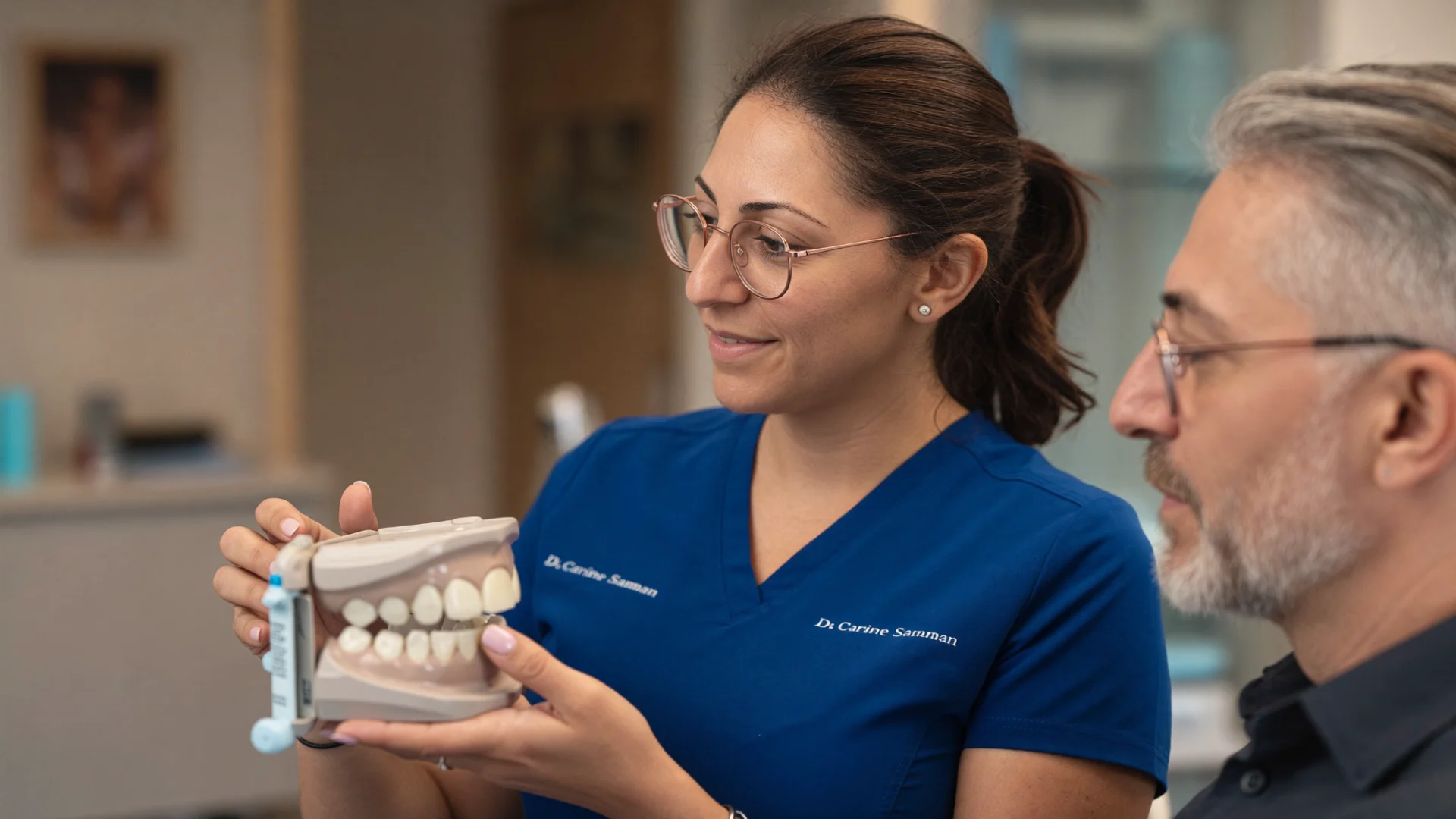
Dr. Caroline Samaan and the staff at our Jupiter office can verify your dental insurance benefits, estimate out-of-pocket costs, and explain what the plan may pay before treatment starts. No office can promise an exact insurer payment every time, but a solid estimate is still much better than guessing.
Why a local office matters when I need clear pricing
Local care is easier to stick with. When the office is nearby, scheduling your routine professional teeth cleaning every six months feels more manageable. When the team knows your history, there is less repeating and less confusion regarding your insurance coverage or your ongoing oral health requirements.
That consistency matters for families too. One trusted office in Jupiter can make preventive care feel routine instead of stressful, and that is usually where the best savings start.
What matters most
The final dental cleaning cost you see on your bill is rarely random. It typically depends on your specific dental insurance plan, your provider network status, and whether your visit is a routine checkup or requires specialized gum treatment. Even if you are paying without insurance, these variables determine your total expense.
The easiest way to avoid surprises is also the most effective. Stay on your recommended schedule, ask your provider exactly what the visit includes, and have the office verify your benefits before you arrive. This strategy is how affordable preventive care remains a reliable way to protect your long-term oral health. By staying informed about your coverage and maintaining consistent visits, you ensure that your investment in your smile provides the greatest value.
Common questions about teeth cleaning price with insurance
Are teeth cleanings free with insurance?
In many cases, yes. Most dental insurance plans cover routine preventive cleanings, often referred to as prophylaxis, quite heavily, and some pay the full allowed amount. However, a visit is less likely to be completely free if it includes X-rays to check for cavities, an oral exam, or care provided outside of your specific plan guidelines.
Why does a new patient cleaning visit cost more?
Because the first visit often includes more than just the cleaning itself. An extensive oral exam, necessary X-rays, and a thorough gum evaluation can all contribute to the total, even when dental insurance helps cover a portion of the costs.
How often will insurance cover a cleaning?
Many plans cover two preventive cleanings per year. Some follow a strict six-month schedule, while others rely on plan-year rules, so checking the specific details of your coverage is always recommended.
What if I need gum treatment instead of a standard cleaning?
In that case, the visit is usually billed under periodontal care rather than as a standard preventive cleaning. If your provider determines you need a deep cleaning to address gum health, coverage may still apply, but the plan might pay a smaller share and your deductible could come into play.
Can I get an estimate before treatment starts?
In many cases, yes. A dental office can often verify your benefits and provide a good-faith estimate before the appointment or before any additional treatment begins, helping you plan for your out-of-pocket expenses.