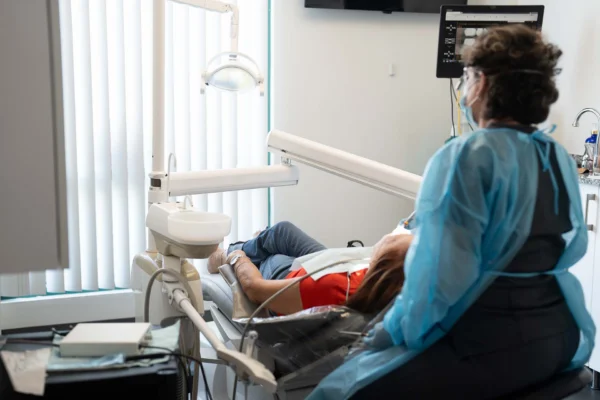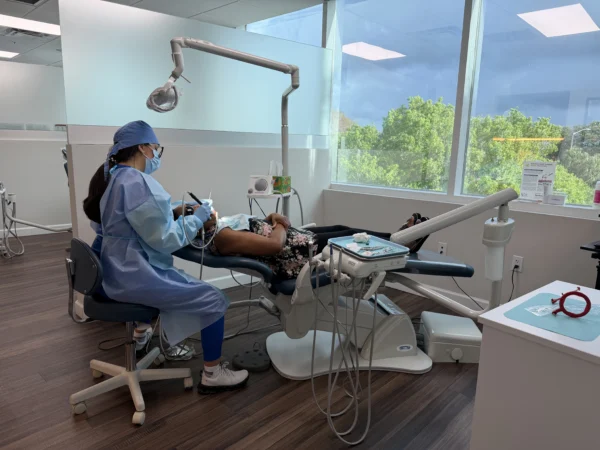
So, what are clear aligners? They’re removable, custom-made trays that fit over the teeth and move them little by little. Here in Boca Raton, we see a lot of teens and adults choose them because they’re less noticeable than metal braces and easier to work into daily life.
They’re not magic, and they don’t fit every case. But for the right smile, they can improve comfort, confidence, and convenience in a way that feels modern and manageable.
What clear aligners are and how they move teeth
When we strip the idea down to basics, clear aligners are a series of transparent trays. Each tray is shaped a little differently from the last. When we wear one set for the planned amount of time, it applies light pressure and guides the teeth into a new position. Then we switch to the next set and keep going. The full movement is planned in advance by a dentist or orthodontic provider.
How the trays are made for each smile
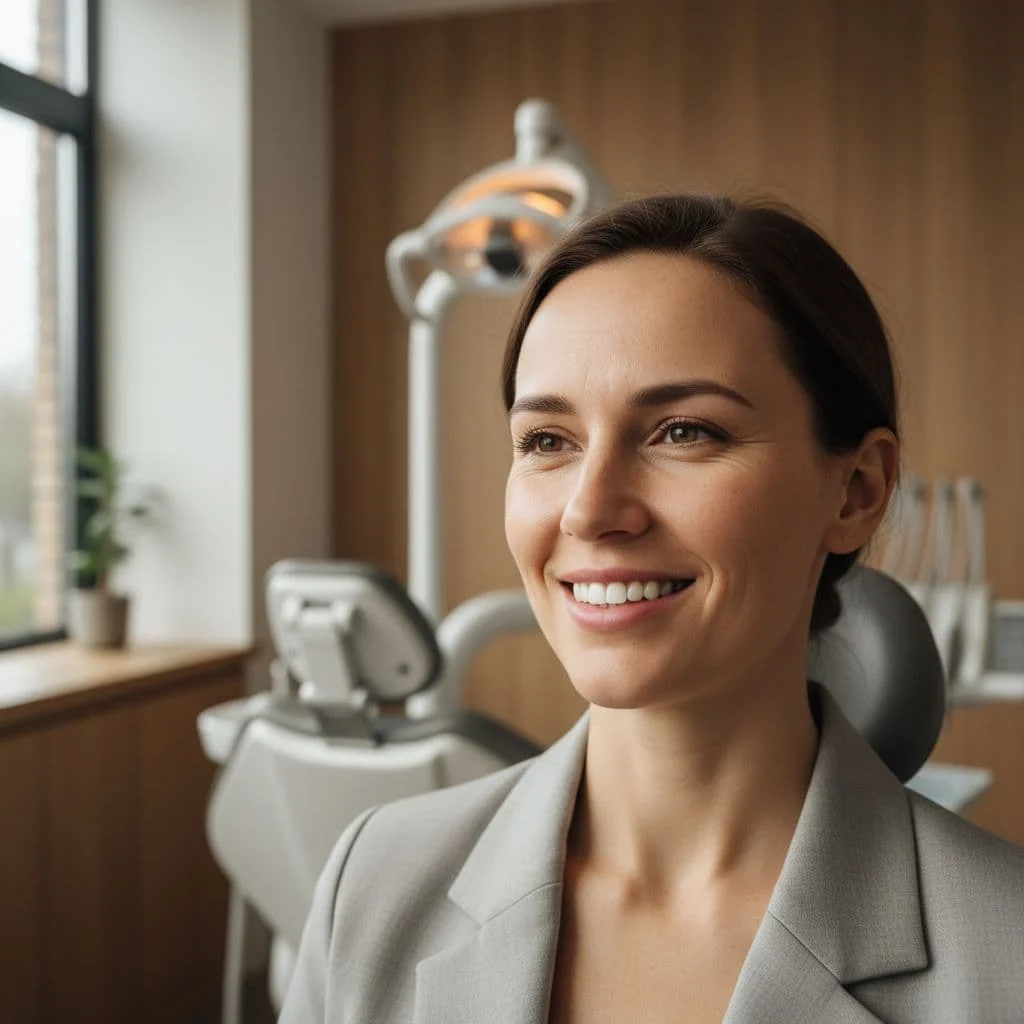
This treatment is custom-made. Most offices now use digital scans, photos, and bite records, though impressions may still be used in some cases. That information helps create trays that fit closely over the teeth and move them in a controlled way.
Some plans also use small tooth-colored attachments on certain teeth. These help the trays grip better when a tooth needs a more detailed movement. We usually wear each set for about one to two weeks before moving to the next.
What wearing aligners feels like during treatment
New trays can feel snug. That’s normal. Teeth move because of steady, gentle force, not because of anything dramatic.
Most people feel pressure for a day or two after switching trays. A little soreness can happen, but it usually fades as the mouth adjusts. Many patients say aligners feel easier to live with than brackets and wires.
What aligners look like, and how they compare with other options
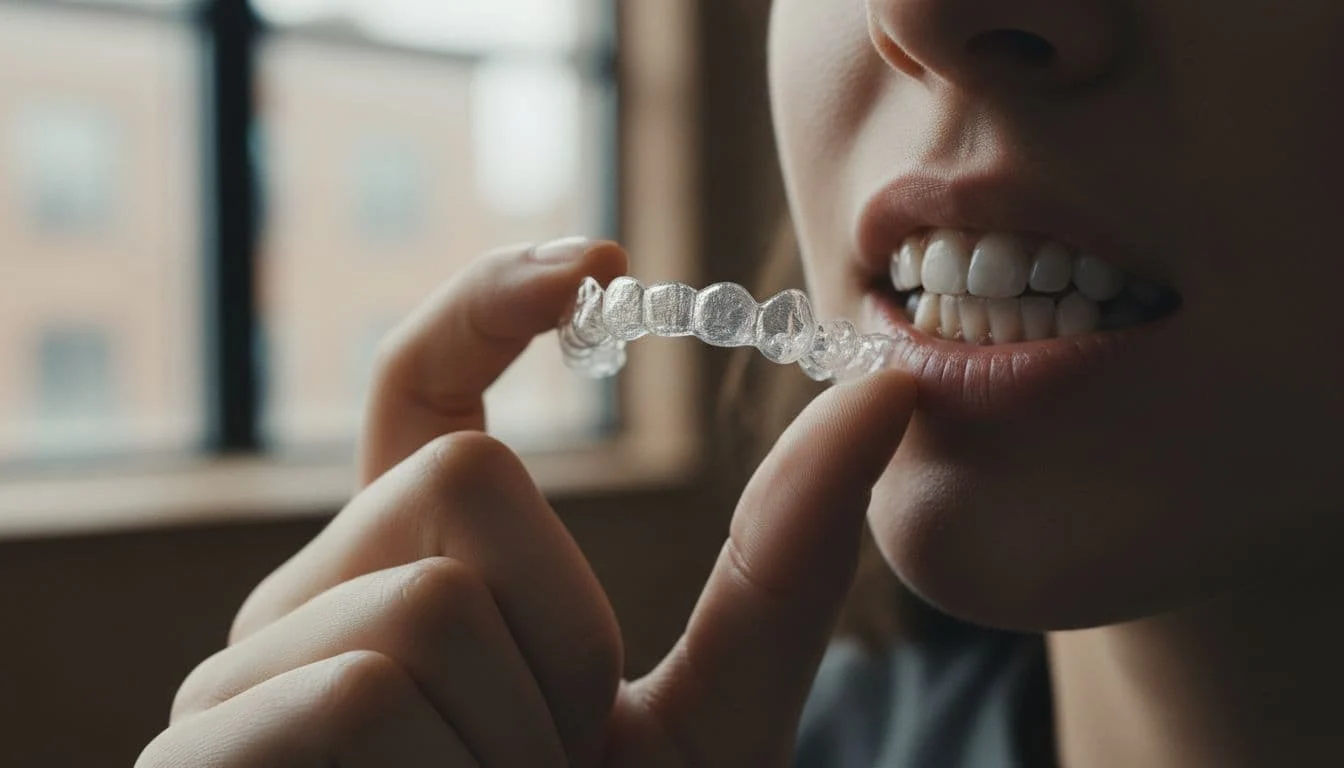
Aligners look like thin, see-through trays that cover the teeth. They aren’t glued on, and they don’t have wires. From a normal speaking distance, they’re often hard to notice.
What aligners vs clear braces look like when you smile or talk
When we smile or talk, aligners usually show as a faint shine on the teeth. Up close, someone may notice them. Across a room, many people won’t. That’s a big reason adults in Boca Raton like them for work, school, and social events.
Ceramic braces are different. They use tooth-colored or clear brackets, but the brackets still stay attached to the teeth all day. They’re less visible than metal braces, but not as subtle as aligners.
Here’s the quick visual comparison:
| Option | How it looks | Often best for | Main tradeoff |
|---|---|---|---|
| Clear aligners | Clear trays over teeth | Many mild to moderate cases | Must be worn consistently |
| Metal braces | Metal brackets and wire | More complex movement | Most visible |
| Ceramic braces | Tooth-colored brackets | A less visible fixed option | Brackets still show |
| Lingual braces | Braces behind teeth | Hidden fixed treatment | Harder to clean and adjust to |
The short version, every option moves teeth, but they don’t look or feel the same.
Clear aligners versus braces, which problems each one fits best
Aligners can work well for many spacing problems, mild to moderate crowding, and some bite issues. Braces may be better when teeth need bigger rotations, stronger bite correction, or tighter control over movement.
That doesn’t make one “better” across the board. It means the best choice depends on the bite, the tooth position, and whether we’ll wear trays the way the plan requires.
Other alternatives to braces that patients may hear about
When people ask about alternatives to braces, the usual choices include clear aligners, ceramic braces, and lingual braces. For very small cosmetic concerns, some people may decide no orthodontic treatment is needed at all.
The best answer isn’t based on trend or age. It’s based on what our teeth are doing now and what result we want.
The everyday pros and cons of clear aligners
The appeal is easy to understand. Aligners come out for meals, brushing, and flossing. There are no wires rubbing the cheeks, and no brackets trapping food around every bite.
Why many patients like them
For busy families and working adults, that flexibility matters. We can take aligners out for dinner, clean our teeth normally, and put them back in. They also tend to look more discreet in photos and face-to-face conversations.
Clear aligners don’t work by magic. They work by time, pressure, and daily consistency.
Why do aligners stain, and how can we avoid it
Clear aligners can turn cloudy or yellow if we drink coffee, tea, soda, or red wine while wearing them. Smoking can stain them too.
The fix is simple. Take them out for anything but water, rinse them often, clean them as directed, and brush after meals before putting them back in. Good habits keep them clearer and help the smile stay healthier.
When aligners may not be the best fit
Aligners ask for discipline. Most plans call for about 20 to 22 hours of wear each day. If trays spend too much time in a case, teeth won’t track the way the plan expected.
Some complex bite problems also need braces or another treatment. That’s why a real exam matters more than a quick online guess.
How aligner treatment usually works from start to finish
The process is usually straightforward, which helps take some of the mystery out of it.
From first visit to custom treatment plan
At the consultation, the provider checks the teeth, gums, bite, and smile goals. Digital scans or impressions help map the movement. If there are cavities, gum problems, or other oral health issues, those may need attention first.
Wearing and changing trays at home
Once the trays are ready, the daily routine is simple. We wear them most of the day, remove them for meals, clean them, and switch to the next set on schedule. Periodic check-ins help confirm that everything is moving the way it should.
Keeping results in place after treatment ends
The last tray isn’t the last step. Retainers help hold the new tooth position after treatment ends. Without them, teeth can shift back over time. That’s a common reason people lose a result they worked hard to get.
Common questions about clear aligners
How long does treatment usually take?
It depends on the case, the bite, and how closely we follow wear instructions. Some smiles move in months, while others take a year or longer.
Can we eat and drink with aligners in?
Usually, no. We should remove them for meals and for drinks other than water, because food, heat, and dark liquids can stain or damage the trays.
Do clear aligners hurt?
They can cause mild soreness or pressure, mostly when starting a new set. For many patients, that feels easier to manage than traditional braces.
Who makes a good candidate for aligners?
Many teens and adults with mild to moderate crowding, spacing, or bite concerns may qualify. A professional exam is still the only way to know for sure.
Final Thoughts
Clear aligners are a discreet, removable way to straighten teeth without putting metal front and center. For the right case, they fit daily life well and can make treatment feel a lot less disruptive.
The key is simple: the smile has to be a good match, and the trays have to be worn as directed. If your’re in Boca Raton and thinking about a straighter smile, a dental exam with Craig Spencer DMD at our office is still the best next step for getting a clear answer.